Experience our new Lafayette showroom — Now Open! Come Visit Us -->

How to Clean a Microfiber Couch: A Guide from Your Lafayette Furniture Store, Lucas Furniture & Mattress

That moment of panic when a drink spills on your new sectional? We’ve all been there. The good news is that microfiber is one of the most durable, family-friendly fabrics out there. At Lucas Furniture & Mattress, your trusted furniture store near Lafayette, IN, we believe that keeping your furniture beautiful is just as important as finding the perfect piece in the first place. Whether you visit our Kokomo showroom or use our reliable in-home delivery to Lafayette, our goal is to help you enjoy your purchase for years to come.
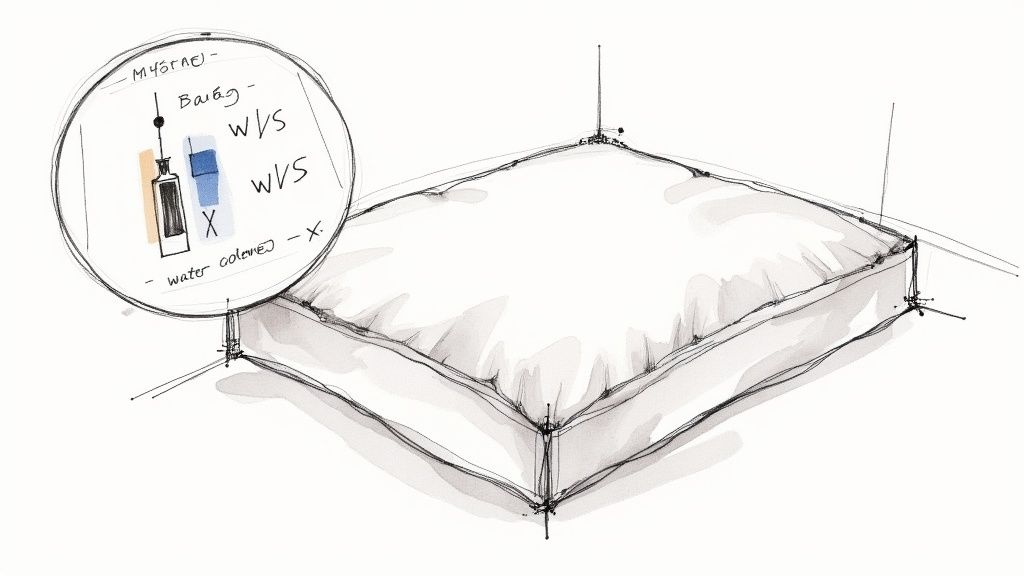
Before you do anything, the absolute first step is to find the cleaning tag on your couch. It will have a W, S, W/S, or X on it. This code isn't just a friendly suggestion—it’s the official rulebook for your couch.
Why Choose Lucas Furniture? (Our Value Proposition)
As a locally owned business dedicated to serving Lafayette and Central Indiana, Lucas Furniture & Mattress offers a unique combination of value, flexibility, and trust. Our Low Price Promise and incredible clearance savings of up to 70% off mean you always get the best deal. We stand behind our strong customer reviews and offer reliable in-home delivery right to your Lafayette home, making the entire process seamless.
Why The Cleaning Code Is Non-Negotiable
Ignoring that tiny tag is hands-down the biggest mistake you can make. Trying the wrong cleaner can instantly lead to discoloration, weird texture changes, or those dreaded permanent water rings.
Imagine using a water-based cleaner on a couch with an 'S' code—you could easily turn a small spill into a massive, permanent stain. These codes are a standardized system used across the entire upholstery industry for a reason: to help you avoid costly damage and keep your furniture looking new for years.
Decoding Your Microfiber Cleaning Codes
Think of this table as your go-to cheat sheet for microfiber care. The code on your couch's tag is the key to using the right method every single time.
| Cleaning Code | What It Means | Safe Cleaning Agents |
|---|---|---|
| W | "Water-Based Cleaner" | Mild soap, distilled water solutions, upholstery shampoo |
| S | "Solvent-Based Cleaner" (Dry-Clean Only) | Rubbing alcohol, dry-cleaning solvents |
| W/S | "Water or Solvent" | Both water-based and solvent cleaners are safe |
| X | "Vacuum Only" | No liquids of any kind. Use a brush or vacuum only. |
Remembering what each letter stands for makes it simple. W for Water, S for Solvent. It’s an easy way to ensure you grab the right bottle when a spill happens.
This knowledge doesn't just apply to your microfiber sectional; it empowers you to properly care for all types of fabrics. For a deeper dive into different materials, you can check out our comprehensive guide on everything you need to know about upholstery materials.
While these DIY methods are fantastic for everyday messes and regular upkeep, some jobs are best left to the experts. For a truly deep clean or to tackle really stubborn stains, it’s worth exploring professional furniture cleaning services. Knowing these basics ensures the beautiful furniture you picked out remains a centerpiece in your Lafayette home for a long, long time.
Furnish Every Room & Save Big
Before you even think about tackling a stain, a little prep work goes a long, long way. This isn't just about how to clean a microfiber couch; it's about doing it right and protecting that beautiful Lucas Furniture sectional you've invested in. Whether you're furnishing a living room, dining room, bedroom, home office, or even your outdoor patio, starting with a clean slate is key.
The Power of a Deep Vacuum
Start by taking off all the cushions, pillows, and any throw blankets. Grab your vacuum's brush and crevice tools and get into every single seam, corner, and tuft. This is where all the movie-night crumbs, pet hair, and general dust settle in, and those tiny particles can act like sandpaper on the fabric over time.
A thorough vacuuming does a few important things:
- Removes Abrasives: It gets rid of all that gritty stuff that can wear down the microfiber.
- Boosts Your Cleaner: Your cleaning solution can get straight to work on the stain itself, not on a layer of surface dust.
- Prevents a Muddy Mess: It stops loose dirt from turning into mud the second you apply a liquid cleaner.
Seriously, don't skip this. Trying to clean a couch you haven't vacuumed is like trying to wash a car that's caked in mud—you’ll just smear the grime around. Once it's free of all that loose debris, you're ready for the most important safety check.
Why Spot-Testing Is Non-Negotiable
With the vacuuming done, it's time to test your cleaning solution. Find a hidden spot on the couch where no one will ever see it—the back of the skirt, underneath a cushion, or along a back seam are perfect. Apply a tiny amount of your cleaner to a clean, white cloth and gently dab it on that test area.
This simple five-minute test is the single most important action you can take to prevent a costly mistake. It ensures the cleaner won't cause discoloration, texture changes, or water rings on your furniture.
Let that spot dry completely. Once it is, check it in good light to make sure there are no weird changes to the color or feel of the fabric. If everything looks good, you can move forward with confidence. This little bit of discipline is what keeps your furniture—whether it was a clearance find or a custom order—looking pristine.
This careful approach to prep is just as vital as picking the right piece in the first place. Knowing what goes into your furniture's construction is key to keeping it looking great for years. To help with that, we've put together a guide on the 5 things to look for in your new sofa or chair that can help you make a choice you’ll love. When you pair a smart purchase with smart care, you guarantee your furniture remains a beautiful centerpiece in your Lafayette home.
Achieve Better Sleep: Your Mattress Options
Life happens. In a well-loved home, spills are pretty much a guarantee. But a tipped-over glass or a stray crayon mark on that beautiful sectional from our furniture store near Lafayette, IN, doesn't have to spell disaster. Just like finding the perfect mattress for better sleep, finding the right cleaning method is about understanding the details. The real secret to getting rid of a stain is simple: act fast and use the right method for your couch's specific cleaning code.
How you attack a spill comes down entirely to that little letter on the tag: W, S, or W/S. Ignoring this rule is the quickest way to turn a small spot into a permanent part of your decor. Let's walk through how to handle the most common messes so your microfiber furniture can stand up to real life.
For Water-Friendly Fabrics (Code W or W/S)
If your couch tag has a 'W' or 'W/S' code, breathe a sigh of relief—these are the easiest to clean. All you need is a simple mixture of a few drops of mild dish soap and a bowl of warm water. Steer clear of harsh detergents or all-purpose sprays; they often leave behind a sticky residue that just ends up attracting more dirt.
Grab a clean, white microfiber cloth and dip it into the sudsy water. Wring it out well so it's just damp, not dripping wet. Now, gently blot the stain, starting from the outside edge and working your way in. This little trick keeps the stain from spreading and creating an even bigger ring. Whatever you do, don't scrub! Aggressive rubbing can fray the delicate fibers and push the stain deeper into the cushion.
Keep blotting with a clean part of the cloth until the stain lifts. Once it's gone, take a second cloth dampened with plain distilled water to "rinse" the spot. This removes any leftover soap.
For Solvent-Only Fabrics (Code S)
When the tag says 'S', water is your worst enemy. For these fabrics, you need to reach for a solvent-based cleaner instead. The easiest and most effective one for home use is isopropyl (rubbing) alcohol. You can also find dry-cleaning solvents made specifically for upholstery if you prefer.
Always make sure you're in a well-ventilated room when working with solvents. Pour a little bit of the alcohol onto a clean, white cloth—never pour it directly onto the couch itself. Just like with the water-based method, blot the stain gently from the outside in. You should see the stain start to transfer from the upholstery to your cloth.
Solvents evaporate quickly, so you're less likely to get those dreaded water rings. But this is where that spot test you did earlier becomes absolutely critical to make sure the solvent doesn't bleach or discolor your fabric.
Navigating Common Household Stains
Let's look at a few real-world scenarios you might run into in your Lafayette home.
- Greasy Food Stains (Popcorn, Pizza): For a fresh grease spot, the first thing you should do is sprinkle a little cornstarch or baking soda on it. Let it sit for about 15-20 minutes to soak up the oil, then just vacuum it away. After that, you can treat any leftover discoloration with the correct 'W' or 'S' method.
- Ink Marks: Rubbing alcohol is your best friend for ink on an 'S' code couch. Dab it on carefully. If you have a 'W' code couch, hairspray can sometimes do the trick, but you absolutely have to test it on a hidden spot first!
- Pet Accidents: For these, cleanliness is key. After blotting up as much of the mess as possible, you'll want to use an enzymatic cleaner made for pet stains on 'W' or 'W/S' fabrics. These cleaners actually break down the proteins in the stain, which is what gets rid of the odor for good. For more tips on coexisting with your furry friends, check out our guide on finding the best sofas for pet owners.
This decision tree helps simplify the prep work before you start on any stain, making sure you always get off on the right foot.
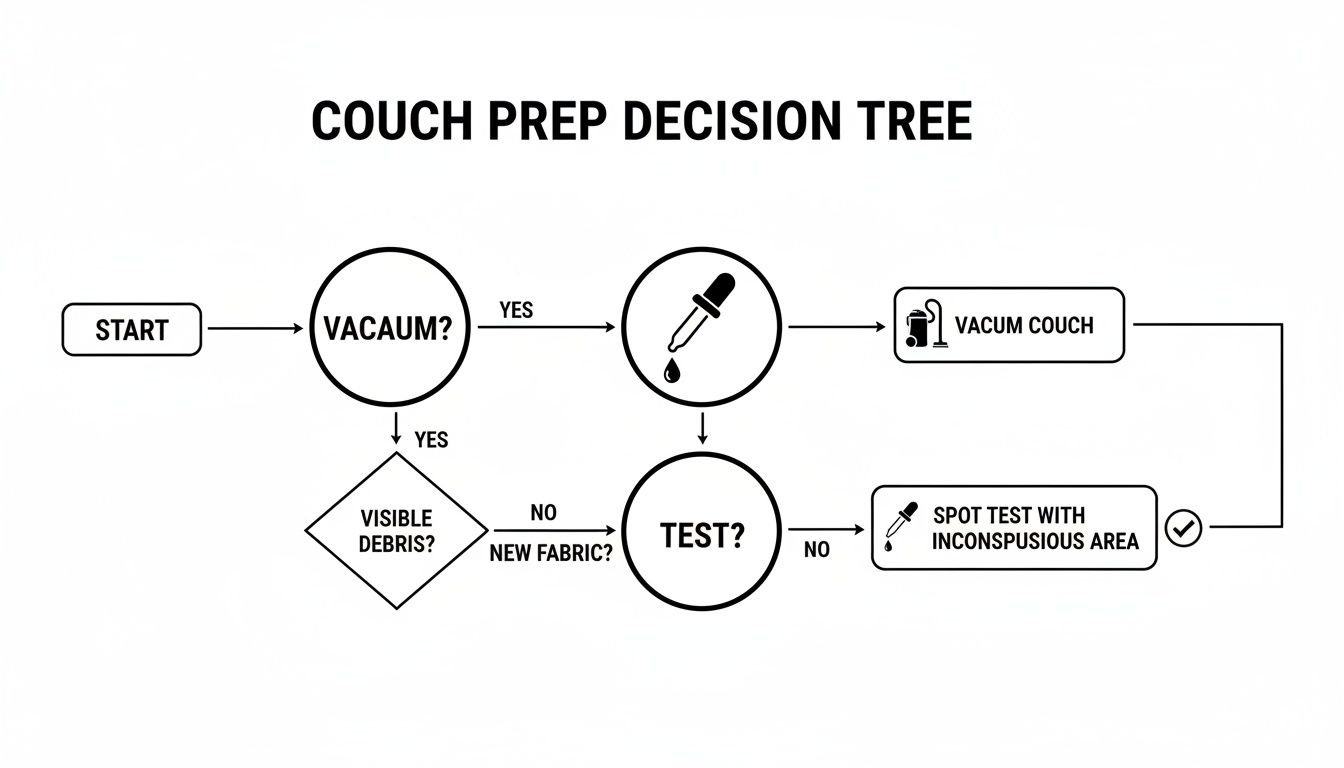
This visual guide is a great reminder that a good vacuum and a careful spot-test are the two non-negotiable first steps for a successful clean.
Key Takeaway: The single most important rule is to blot, don't scrub. Scrubbing damages the pile of the microfiber, creating a fuzzy, worn look that can be irreversible. Patience and gentle blotting will preserve the fabric's texture and appearance.
Knowing how to properly remove stains ensures that the high-quality sectional you picked out—whether it was a clearance find or a custom order piece with simple financing—stays a beautiful part of your home for years. At Lucas Furniture, serving the greater Lafayette community is our priority, and that includes helping you care for your purchase long after our in-home delivery team has left.
Customize Your Comfort: Simple Financing & Custom Orders
Just like you can create the perfect living room with a custom order, you can bring your couch back to life with a deep clean. At Lucas Furniture, our simple financing options make it easy to get the exact piece you want. Protecting that investment is just as important. After months or years of daily life, your entire couch might start looking a bit tired. A deep clean can give the fabric a complete refresh.
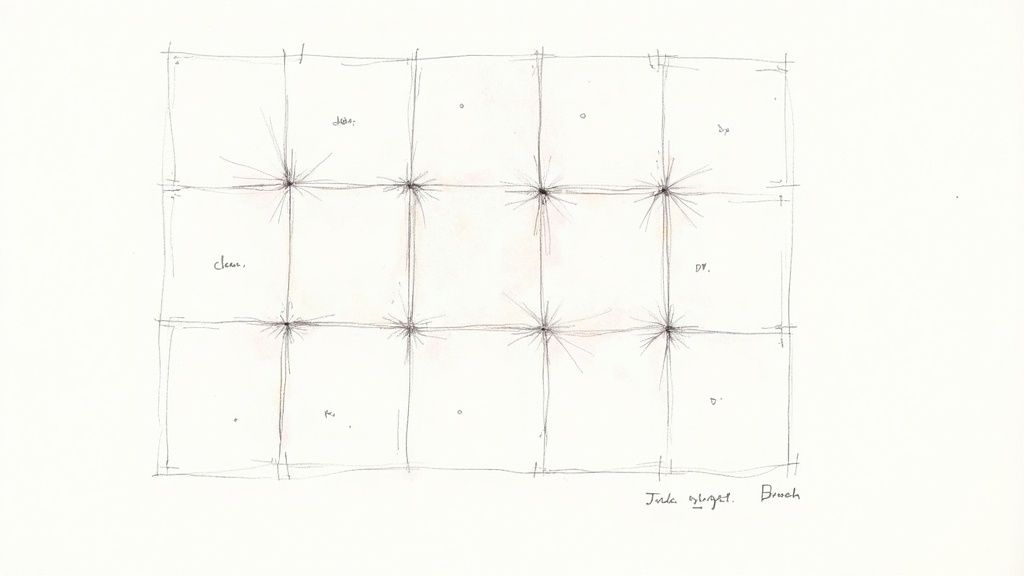
The real secret to a great deep clean is taking a methodical approach. If you just start spraying cleaner randomly, you’re almost guaranteed to end up with an uneven finish and those dreaded water rings. The best way to get a professional-looking result is to work in a simple grid pattern.
The Grid Method For An Even Finish
Think of your couch as a collection of small, manageable squares. Tackle one seat cushion, then the next. Clean one section of the backrest, then move over. Focusing on one area at a time gives you total control and ensures every inch of fabric gets the same amount of attention.
This technique works perfectly whether your couch has a 'W' or 'S' cleaning code. Lightly mist your cleaning solution onto the first square—just enough to dampen it, not soak it. Immediately grab a clean, white cloth and blot the area to lift away the dirt. Once you're happy with that spot, move to the next square, slightly overlapping the edge of the one you just cleaned to create a seamless blend.
This disciplined process is what makes a DIY job look like it was done by a pro. It prevents the cleaner from soaking through and damaging the padding underneath, and it's the single best way to avoid making new stains while getting rid of old ones. It's the kind of careful work that protects your investment for the long haul.
The Crucial Drying And Grooming Process
Once you’ve worked your way across the entire couch, patience is key. You absolutely have to let the fabric air dry completely. Don't be tempted to grab a hairdryer or point a space heater at it; direct heat can easily damage those delicate microfiber strands. Just open a window or turn on a fan to get some air moving in the room.
After the fabric is 100% dry, you’ll probably notice some spots feel a little stiff or crunchy. Don't panic! This is a totally normal side effect of the cleaning process, and it’s incredibly easy to fix.
The final grooming step is non-negotiable for restoring that signature softness. A gentle brushing fluffs up the compressed fibers, erasing any signs of cleaning and making the fabric feel velvety and new again.
Find a soft-bristled brush—an upholstery brush or even a new, gentle scrub brush will do the trick. Lightly brush the stiff areas using soft, circular motions. You’ll see and feel the fibers relax and fluff right back up to their original luxurious texture. This little finishing touch is what truly pulls the whole deep clean together.
Knowing When To Call For Backup
While a DIY deep clean can work wonders, sometimes it’s smarter to call in the professionals. If you’re dealing with very old, deep-set stains, or you simply don’t have the time to do a thorough job, it’s a fantastic option.
For the toughest jobs, exploring professional deep cleaning services can save you a ton of hassle and deliver a guaranteed result. Think of it as a great annual reset for your furniture.
And if you’re looking for more ways to freshen up your home, check out our guide on tackling spring cleaning like a pro. Here at Lucas Furniture & Mattress, we're more than just a Lafayette furniture store; we’re here to help you create and maintain a home you love.
Shop Your Way: Online, In-Store, and Delivered to Lafayette
Sometimes, knowing what not to do is the best advice you can get. At Lucas Furniture, your go-to furniture store near Lafayette, IN, we've seen it all. Whether you shop online or visit our showroom in Kokomo, we want that beautiful microfiber sectional you bring home to last. Avoiding common cleaning pitfalls is a huge part of making that happen.
Mistake #1: Using Way Too Much Liquid
The single biggest mistake we see homeowners make is oversaturating the fabric. It’s a natural instinct—more cleaner must mean a better clean, right? With microfiber, the opposite is true. Too much liquid, whether it's a cleaner or just plain water, seeps deep into the cushions and backing.
This excess moisture doesn't just fail to clean; it creates entirely new problems. As it dries, it can leave behind stubborn, unsightly water rings that are often worse than the original spot. Even worse, that trapped dampness can become a breeding ground for mildew inside the cushion, leading to musty odors you just can't get rid of.
Mistake #2: Grabbing the Wrong Cleaning Agents
Another all-too-common error is grabbing whatever cleaning bottle is handy under the sink. Harsh, general-purpose chemicals are the sworn enemy of microfiber.
Stay away from anything with:
- Bleach
- Ammonia
- Strong detergents
These aggressive chemicals can instantly strip the color from your couch, leaving a faded, bleached-out patch that's impossible to fix. Beyond just the color, they can also weaken and break down the delicate synthetic fibers, making the fabric brittle, prone to tearing, and permanently changing its soft, velvety texture. Always stick to the cleaner specified by your couch's cleaning code.
Mistake #3: Scrubbing Too Hard
When you’re faced with a tough stain, the urge to scrub it into submission is strong. You have to resist. Microfiber is durable, but it’s not indestructible. Aggressively scrubbing with a rough cloth or stiff brush creates friction that absolutely ruins the pile of the fabric.
This leads to a condition called pilling, where the fibers break and ball up into little fuzzballs on the surface. It can also make the fabric look frayed and worn out long before its time. The correct technique is always to blot gently, letting the cleaning solution do the heavy lifting.
Expert Insight: A surprising number of issues that require a professional house call start with well-intentioned but improper DIY attempts. Cleaning pros often report that much of the upholstery damage they fix is caused by homeowners using excessive water or the wrong chemicals, leading to everything from mold and dye loss to permanent fiber breakage. You can discover more about professional do's and don'ts from industry experts to avoid making the same mistakes.
By avoiding these critical mistakes—oversaturation, harsh chemicals, and aggressive scrubbing—you're actively protecting your investment. Whether you found the perfect piece in our Clearance page section or designed a custom order sectional with our flexible financing options, proper care is what guarantees it will last. At Lucas Furniture & Mattress, our commitment to the Lafayette community extends beyond the sale; we want you to have the knowledge you need to enjoy your furniture for years, delivered right to your door with our reliable in-home delivery service.
Your Microfiber Couch Cleaning Questions Answered
To wrap things up, we'll tackle some of the most common questions we get from our customers right here in Central Indiana. The team at Lucas Furniture & Mattress is here to give you that extra bit of confidence you need to handle any cleaning challenge and keep your furniture looking its best.
Can I Use a Steam Cleaner On My Microfiber Couch?
This is a big one we hear a lot. As a general rule, we strongly advise against using a home steam cleaner on your microfiber furniture.
The combination of high heat and, more importantly, excessive moisture is a recipe for disaster. It can leave behind permanent water stains, cause the fabric to shrink, and even damage the material’s backing. This is an especially big risk for couches with an ‘S’ (solvent-only) or ‘X’ (vacuum-only) cleaning code.
You might see professionals using a hot water extraction method, but their equipment is very different from a home unit. Professional machines are designed to control the flow and immediately suction out the moisture. Home steamers, on the other hand, often oversaturate the cushions, trapping moisture deep inside where it can lead to mildew. It’s always safer to trust the cleaning code on the tag and stick with the blotting methods we outlined.
How Do I Get Water Stains Out Of A Microfiber Couch?
It seems counterintuitive, but water itself can leave those frustrating rings behind, usually due to mineral deposits in tap water. The secret to getting them out is using the right liquid and a gentle technique.
For a couch with a ‘W’ or ‘W/S’ code, give this a try:
- Grab a clean, white cloth and dampen it with distilled water (the key is that it has no minerals).
- Start by gently blotting the outer edge of the water ring, then slowly work your way toward the center. This helps blend the edge and stops it from just re-forming.
- Let it air dry completely. Don't rush it!
If your couch has an ‘S’ code, you'll use a small amount of rubbing alcohol on a cloth instead, but follow the same blotting technique. For both types, using minimal moisture is crucial. Once it's totally dry, just fluff up the fibers with a soft brush to restore that velvety feel.
Pro Tip: The best way to avoid water rings is to never oversaturate the fabric in the first place. For most cleaning, a lightly dampened cloth is all you need. Patience and a light touch will be your best friends here.
How Often Should I Deep Clean My Microfiber Couch?
Honestly, this really comes down to your lifestyle. For a busy living room in a Lafayette home with kids and pets, a good deep clean every 6 to 12 months is probably a smart move to keep it fresh. If your sectional is in a less-used space, you can likely stretch that to every 18 to 24 months.
The real game-changer, though, is consistent maintenance. A little bit of regular upkeep will dramatically extend the time between those deep cleans.
- Vacuum Weekly: This simple step is huge. It gets rid of the abrasive dirt and dust that wears down the fibers over time.
- Spot-Treat Spills Immediately: The faster you act, the less chance a spill has to set deep into the fabric.
- Fluff Cushions Regularly: This helps them keep their shape and ensures the wear and tear is spread out evenly.
This routine care is the single best way to protect the beautiful furniture you found at Lucas Furniture & Mattress. It doesn't matter if it was a clearance find or a custom order piece—proper maintenance is what keeps it looking like new for years.
For any other questions about furniture care or our policies, be sure to check out the information on our frequently asked questions page. We are always here to help our Central Indiana customers. Visit our showroom near Lafayette today, or browse our full inventory online with guaranteed in-home delivery to the Lafayette area