Experience our new Lafayette showroom — Now Open! Come Visit Us -->

Dining Chair Styles: Your Lafayette Furniture Guide

A Lafayette family often starts the same way. The table still works, but the chairs feel dated, one seat wobbles a little, and nobody wants to spend money on the wrong style. That's where a furniture store near Lafayette IN becomes less about browsing and more about getting clear answers.
For shoppers looking for a Lafayette furniture store with practical guidance, the main Kokomo showroom serving Lafayette offers a useful advantage. It gives local homeowners in Lafayette, IN and across Central Indiana a place to compare dining chair styles in person, then have the final selection brought home with reliable in-home delivery. That matters because dining chairs aren't just décor. They affect comfort, traffic flow, cleaning, durability, and how a room feels every day.
Table of Contents
- Your Guide to Finding the Perfect Dining Chairs in Lafayette
- A Visual Guide to Popular Dining Chair Styles
- Choosing for Comfort and Fit in Your Dining Space
- Materials Finishes and Long Term Durability
- Why Choose Lucas as Your Lafayette Furniture Store
- Customize Your Comfort with Simple Financing and Custom Orders
- Shop Your Way and Get In Home Delivery to Lafayette
Your Guide to Finding the Perfect Dining Chairs in Lafayette
Most dining chair decisions get stuck between three goals. A household wants something that looks current, feels comfortable through a full meal, and still fits the budget after buying everything else for the room. In Central Indiana, that choice gets even more practical because daily use matters more than trend chasing.
A family in Lafayette might love the look of slim modern chairs online, then realize the seats are too low, the backs are too short, or the finish won't hide scuffs from kids and guests. Another homeowner may want a warmer farmhouse feel but doesn't want a bulky chair that crowds a smaller dining area. Those are normal problems, not design mistakes.
Practical rule: A good dining chair should solve three jobs at once. It should fit the table, support the body, and hold up to real life.
The Kokomo showroom gives Lafayette shoppers a way to test those details before committing. A local furniture store near Lafayette IN serves best when it helps people compare shape, scale, finish, and fabric with their own home in mind, not with generic trend advice. That's especially useful for households also shopping for a sectional, a mattress, home office pieces, bedroom furniture, or even outdoor furniture at the same time.
The right chair style usually becomes clearer once shoppers stop asking, “What's popular?” and start asking a better question. “What will still feel right in this room after years of dinners, homework, holidays, and everyday use?”
A Visual Guide to Popular Dining Chair Styles
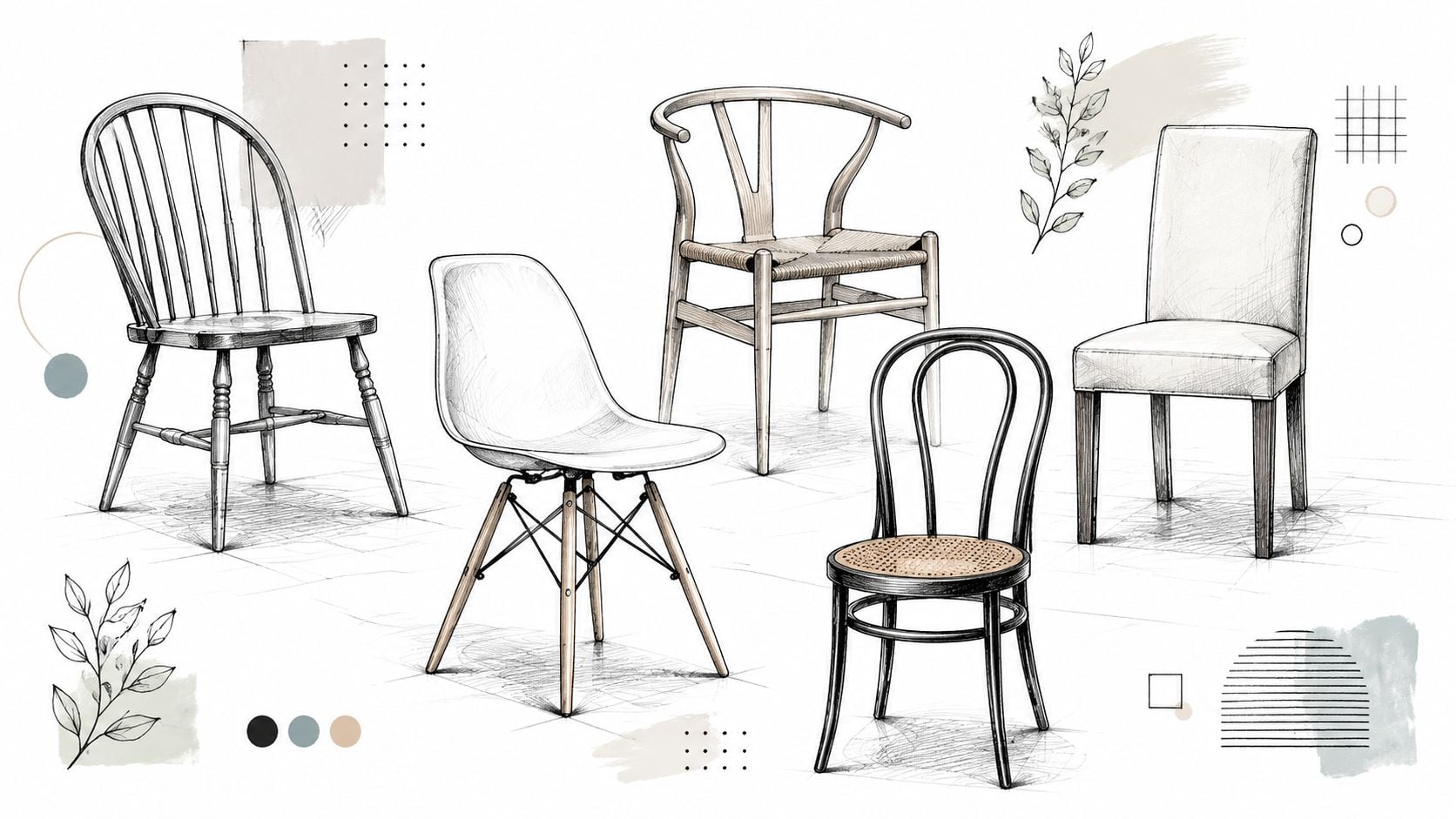
The styles most homeowners recognize first
Parsons chairs are the quiet problem-solvers of the dining room. They usually have straight legs, a simple silhouette, and a fully upholstered seat and back. They fit easily into transitional homes because they don't fight with the table. They blend.
Windsor chairs have that spindle-back shape many people recognize from classic American furniture. The thin spindles read a little like the back of a traditional rocker, which gives the chair character without making it feel heavy. They work well when a room needs charm and structure at the same time.
Ladderback chairs feel grounded and rustic. Their horizontal slats create a casual look that pairs naturally with farmhouse tables and relaxed family spaces. They're often a practical choice for homes that want texture and warmth instead of polish.
A chair's silhouette does more than change style. It changes how formal, relaxed, or architectural the whole dining room feels.
Mid-Century Modern chairs still have a strong hold on today's market. The modern dining chair style changed decisively between 1945 and 1965, when Danish designers reshaped furniture with sleek lines in teak and walnut, and over 40% of new dining sets sold in the U.S. retain Mid-Century Modern influences according to historical design research. For homeowners pairing furniture with flooring, this style often looks especially clean next to modern hardwood floor options.
Styles that shape the mood of the room
Some styles are less about history and more about atmosphere.
| Style | Visual cue | Feels right in |
|---|---|---|
| Farmhouse | Chunkier wood, relaxed finish, familiar shapes | Casual family dining rooms |
| Industrial | Mixed materials, visible metal, harder edges | Loft-inspired or modern rustic spaces |
| Upholstered | Soft seat and often padded back | Long meals, more formal rooms, comfort-first homes |
| Cantilever | Open metal frame with a floating look | Contemporary rooms that need light visual weight |
Farmhouse chairs often look welcoming even before anyone sits down. They suit homes where the dining table gets used for meals, school projects, and weekend gathering space.
Industrial chairs bring contrast. A wood-and-metal mix can sharpen a room that otherwise feels too soft or too traditional. They work best when the homeowner wants some edge without going fully modern.
Upholstered dining chairs usually feel more finished and more forgiving. They soften the room visually and physically. For people who host often or linger at the table, upholstery often makes a noticeable difference.
Cantilever chairs look lighter than they are. Their suspended form can help a room feel less crowded, especially when the table already has a substantial base.
For homeowners trying to decide between cleaner contemporary lines and more classic furniture language, this comparison of contemporary and traditional design styles helps connect chair shape to the broader look of the home.
Choosing for Comfort and Fit in Your Dining Space
The measurements that prevent regret
A stylish chair can still be wrong for the room. Comfort usually comes down to proportion.
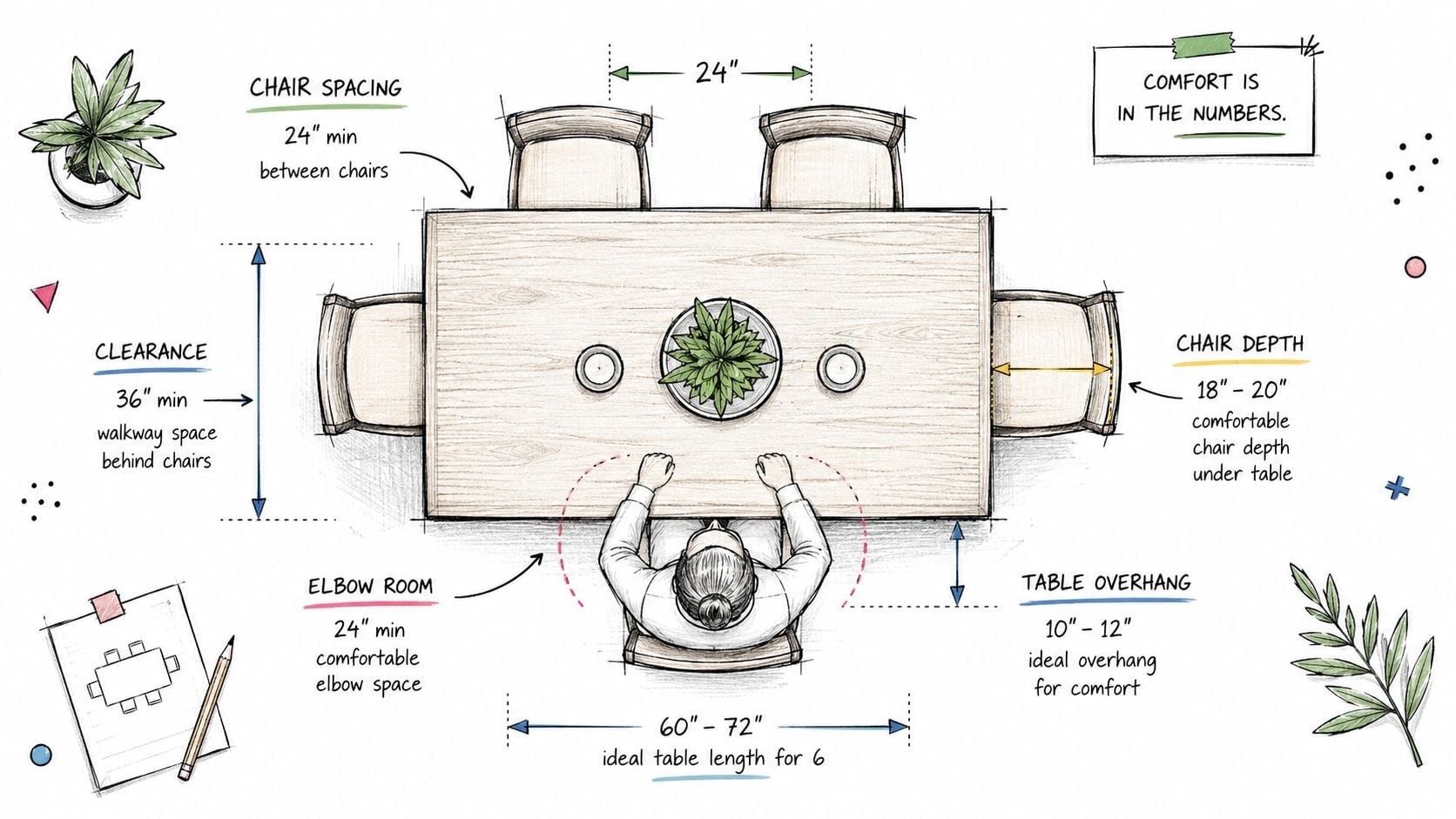
For standard dining tables measuring 28–31 inches high, the best chair seat height falls in the 17–20 inch range, and the space between the seat and tabletop should be 10–12 inches to allow legroom and reduce postural strain, based on ergonomic guidance here. Those numbers explain why some chairs feel awkward even when they look good. A seat that sits too low makes diners feel tucked under the table. A seat that sits too high can leave legs cramped and posture tense.
Another common issue is width. A dining setup needs enough personal space to keep elbows from colliding and to let people sit down and stand up without dragging chairs into one another.
- Per-person width: About 24 inches of width per person helps each seat feel usable instead of squeezed.
- Extra room for armchairs: Armchairs need more space because the arms widen the footprint.
- Traffic flow: A chair should pull out and slide back in without blocking the room's natural walkway.
A room can also feel better balanced when the chair back rises modestly above the tabletop instead of towering over it or disappearing below it. Once the sizing is right, style choices become much easier because the uncomfortable options have already been ruled out.
For a closer look at the seat-height relationship, this chair seat height guide gives a useful reference point.
Armchairs versus side chairs
Many shoppers hesitate at this point. Both can work, but they solve different problems.
Side chairs keep things flexible. They take up less visual and physical space, so they're often the safer choice for smaller dining rooms or narrower tables.
Armchairs feel more substantial and can anchor the ends of a table nicely. They're often more comfortable for lingering, but only if the room has enough width to support them.
Some rooms don't need bigger chairs. They need smarter spacing.
When the chair layout is settled, finishing touches matter more. Art placement, lighting, and wall color all influence how the set feels once it's in place. Homeowners refining the full room can gather ideas from Jessie's Home wall art for dining, especially when trying to connect furniture shape to the room's visual rhythm.
Materials Finishes and Long Term Durability
What lasts well in busy homes
Material choice changes the value story more than many shoppers expect. In a mid-tier market like Lafayette, Kokomo, and the rest of Central Indiana, a chair has to survive regular use first. Looks come second.
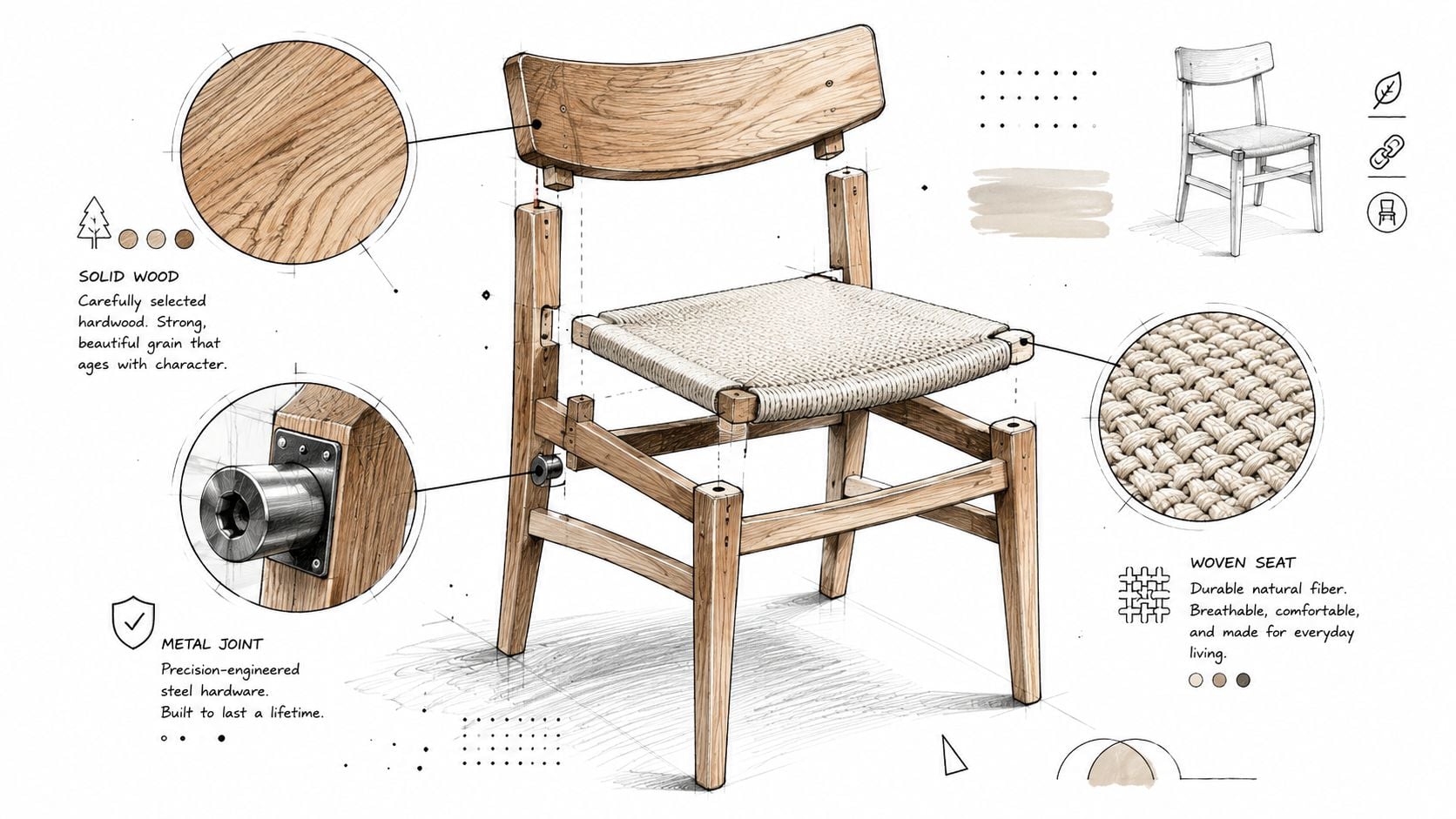
Solid wood remains one of the safest choices for everyday dining. Solid wood chairs made from oak or maple typically have a standard load threshold of 250–300 lbs, which is one reason they're considered a strong fit for daily family use and known for better resistance to moisture and impact than engineered wood alternatives, as noted in this woodworking reference.
Engineered wood can help with upfront cost, but it usually makes more sense in lighter-use spaces than in the main family dining area. If a household uses the table constantly, lower durability can show up sooner in joints, edges, or finish wear.
Metal and wood combinations can work well visually, especially in industrial styles, but buyers should still pay attention to frame details and construction quality. A heavy-looking chair doesn't always mean a heavier-duty chair.
How finishes change the maintenance story
The finish often decides whether a chair stays attractive over time.
- Painted finishes: These can brighten a room, but chips may show more clearly in high-contact homes.
- Medium wood tones: These usually hide everyday dust and light wear better than very dark or very light finishes.
- Performance-minded upholstery: Fabric can make a chair more inviting, but the household should match it to the way the room is used.
For upholstered options, fabric choice matters just as much as frame choice. Texture, cleanability, and color all affect long-term satisfaction. A practical reference for that decision is this guide to upholstery materials.
In real homes, the most valuable chair isn't always the one with the most dramatic design. It's the one that still looks appropriate after years of meals and movement.
Why Choose Lucas as Your Lafayette Furniture Store
Local trust matters
For many households, shopping local isn't only about distance. It's about getting advice that fits the way Central Indiana homes are used. A Lafayette furniture store serving families in this region needs to understand mixed-use dining spaces, practical budgets, and the fact that one purchase often connects to several others in the home.
That local context matters when a shopper is deciding between dining chairs, a home office setup, a bedroom refresh, or a living room update with a new sectional. It matters when someone needs a matching look across spaces without turning the house into a showroom. And it matters when the buyer wants a straightforward answer instead of trend-heavy sales talk.
Value matters just as much
A useful store relationship usually comes down to four things.
- Clear value: A Low Price Promise gives shoppers a reason to compare confidently.
- Whole-home selection: Dining, bedroom, living room, home office, mattress options, and seasonal outdoor furniture all support one coordinated plan.
- Strong reviews: Consistent customer feedback builds trust in a way ads can't.
- Practical service: Guidance is more helpful when it includes budget, sizing, and lifestyle fit.
Lucas Furniture & Mattress is one local option serving Lafayette from Kokomo with those categories in place, including dining furniture, mattresses, sectionals, custom order choices, financing support, clearance options, and delivery service.
Customize Your Comfort with Simple Financing and Custom Orders
When custom order makes more sense than settling
Some dining rooms need a specific answer. The wood tone has to work with existing floors. The fabric has to connect with the adjacent living area. The chair shape fits, but the finish doesn't. That's when custom order stops being a luxury and starts being a practical tool.
A 2025 report found that custom fabrics and finishes can reduce home décor mismatch costs by an average of $1,200 per room, and 42% of Central Indiana homeowners prefer retailers that offer custom configuration options, according to J.D. Power business research. For a homeowner trying to avoid replacing “almost right” furniture later, that's a meaningful point.
A good custom order choice usually starts with a short checklist:
- Keep the table fixed. Choose chairs that support the table already in the room unless the whole set is changing.
- Match undertones, not exact shades. Warm woods usually sit better with warm woods, even when species differ.
- Choose fabric for use level. A host-heavy home may prefer upholstery. A kid-heavy home may prefer easier-clean surfaces.
- Think beyond the dining room. The chairs should make sense beside nearby flooring, wall color, and living room furniture.
Saving across the whole home
Budget flexibility matters just as much as design flexibility. Simple financing can help households furnish the rooms they need now instead of waiting for every category to line up at once. Financing becomes especially useful when a dining purchase lands at the same time as a mattress, bedroom set, entertainment furniture, or a new sectional.
Shoppers also look for smart savings, not just sticker reductions. Clearance and outlet shopping can be a practical path when the household wants stronger value across multiple rooms. That's one reason up to 70% off outlet and clearance savings stands out for buyers trying to stretch a furnishing budget without lowering standards on every piece.
For readers comparing payment timing before choosing a room package or custom order, these flexible financing options give a helpful overview.
Shop Your Way and Get In Home Delivery to Lafayette
From Kokomo showroom to Lafayette doorstep
Convenience often decides whether a furniture project gets finished. Some shoppers want to walk a showroom and compare seat heights, fabrics, and finishes in person. Others want to browse online, narrow the choices at home, and only travel when they're ready.
A Kokomo showroom serving Lafayette gives both options. It lets shoppers test dining chair styles in person while still making the final purchase feel local through dependable delivery to Lafayette and nearby communities. That service matters because furniture is one of the few home purchases that can still become stressful after checkout if transport, entry, or setup goes poorly.
In-home delivery increases customer satisfaction by 24%, and 68% of homeowners in the Midwest consider professional delivery a primary factor in retailer selection, according to this 2024 delivery study. That helps explain why delivery isn't a side feature. It's part of the buying decision.
A simpler way to finish the job
Reliable delivery closes the gap between “purchased” and “usable.” For homeowners who like to understand the process, general guides to real-time delivery tracking can also help explain why communication matters once furniture is on the way.
The easiest path usually looks like this:
- Browse online or in store: Compare dining sets, mattresses, living room furniture, home office pieces, and outdoor furniture.
- Confirm practical details: Check dimensions, finish, fabric, and room fit before finalizing.
- Schedule delivery: Let the store handle the heavy lifting into the Lafayette area.
Delivery details matter, and shoppers can review in-home delivery information before making the trip or placing an order online.
For anyone furnishing a dining room, replacing worn chairs, or coordinating a full-home update in Lafayette, Lucas Furniture & Mattress offers a practical next step. Visit the showroom near Lafayette today, or browse the full inventory online with guaranteed in-home delivery to the Lafayette area!