Experience our new Lafayette showroom — Now Open! Come Visit Us -->

Best Sectional for Small Spaces: Top Picks 2026


A lot of Lafayette shoppers start the same way. They have a living room that isn't large, they want real seating for everyday life, and they don't want the room to feel packed the minute the furniture arrives. That's exactly where a furniture store near Lafayette IN should make the process easier, not more confusing.
For the best sectional for small spaces, the good news is that a smart sectional can work beautifully in an apartment, condo, or compact house. A trusted Lafayette furniture store should help narrow the choice by size, shape, entry access, and daily use. Lucas Furniture & Mattress serves Lafayette from its Kokomo showroom and offers in-home delivery to the Lafayette area, which matters when the right sectional has to fit the room and make it through the door.
Table of Contents
- Why a Sectional Is Your Small Space Solution
- Measure Twice Buy Once Your Small Space Planning Guide
- Choosing Your Perfect Small Sectional Configuration
- Beyond the Frame Fabrics and Features for Modern Living
- Styling Your Sectional in a Lafayette Home
- Why Lucas Furniture is Lafayette's Choice
- Shop Your Way and Get It Delivered to Lafayette
Why a Sectional Is Your Small Space Solution
Small rooms often get furnished in pieces. A sofa goes on one wall. A chair gets squeezed into a corner. Then an ottoman shows up later, and suddenly the room feels chopped up. A sectional can solve that problem by doing the work of multiple seats in one clean layout.
That's why the best sectional for small spaces often beats a separate sofa-and-chair setup. It creates a clear conversation area, makes the room feel more intentional, and can leave fewer awkward gaps around the perimeter.
One piece can simplify the whole room
A compact sectional gives the room a center of gravity. Instead of several pieces competing for floor space, one well-sized sectional can define where people sit, lounge, read, or watch TV.
In a smaller Lafayette apartment, that matters. The room usually needs to support more than one activity, and the furniture has to keep up without making traffic flow harder.
Practical rule: A sectional isn't too big just because it's a sectional. It's too big only when its size and shape block movement.
Small-space sectionals are built differently
Many shoppers still assume sectionals belong only in large family rooms. That idea doesn't hold up anymore. Retail guidance now treats small-space sectionals as their own category, especially for apartment and condo living, with modular options designed around tighter layouts and limited wall space.
The biggest advantage is efficiency. A sectional can place more usable seating into a corner or along one wall without needing extra accent chairs to finish the room.
Why this choice often saves money too
A well-chosen sectional can reduce the need for extra seating pieces, side seating, or a second sofa. That doesn't mean every sectional is a bargain. It means the right one can do more work in less space.
For value-focused households in Central Indiana, that's a practical win. Instead of filling the room piece by piece, shoppers can start with one anchor item and build around it more carefully.
Measure Twice Buy Once Your Small Space Planning Guide
Before fabrics, colors, or cushions, there's one step that matters most. Measure the room. Most sectional mistakes happen before anyone sits on the sofa.
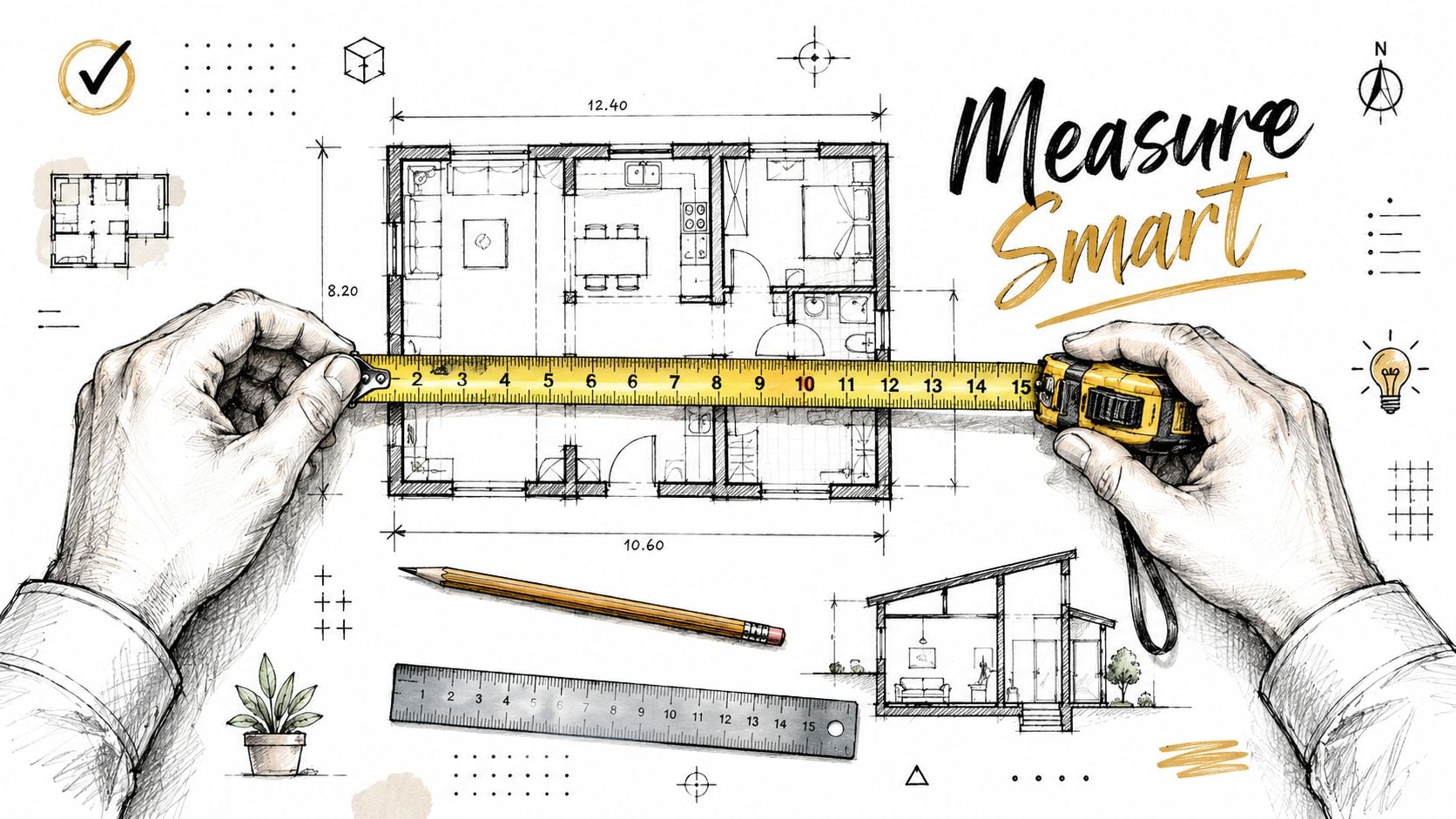
A useful rule is to keep the sectional at about two-thirds of the room size, while measuring in all directions, including width, height, depth, and diagonal depth, before buying, according to small-space sectional sizing guidance. That same guidance shows how fast footprint can grow in real products, from a compact example at 119 x 119 inches to a larger modular option at 159 x 123 inches.
Start with the room, not the product tag
The easiest way to measure is to think in zones.
Wall zone
Measure the wall where the sectional may sit. One published recommendation suggests keeping a sectional at 110 inches or under when the back wall is about that length, with some layouts allowing flexibility up to 115 inches, based on small-space sectional guidance for wall-length planning.Walkway zone
Look at the paths people use every day. That includes routes to the kitchen, bedroom hall, patio door, or stairs. The best sectional for small spaces preserves movement first and adds seating second.Sightline zone
Check what the sectional blocks from the doorway. A piece can technically fit and still feel too heavy if it dominates the first view into the room.
Floor tape helps. Mark the proposed sectional footprint on the floor before shopping. That makes scale easier to judge than numbers on paper.
Don't forget the delivery path
A sectional that fits the room still has to fit the building. Entry doors, stair turns, hallway width, and interior corners all matter.
Guidance for small-space sofas also recommends measuring doorways and entry paths before purchase, and notes that removable legs or cushions, plus an L-shaped carry angle, may be needed to maneuver the piece inside. Lower-back sectionals in the 30 to 34 inches high range can also help preserve openness in rooms with low ceilings, as noted in this sectional buying guide for compact rooms.
Bring the right numbers into the store
A shopper doesn't need an architecture background. A simple note on a phone works well if it includes:
- Wall length
- Maximum depth available
- Doorway width
- Hallway width
- Ceiling concerns
- Left-facing or right-facing preference
- Any radiator, vent, outlet, or window trim that affects placement
For readers who want a simple checklist before visiting a showroom, this room measuring guide for furniture shopping can help organize those dimensions.
Choosing Your Perfect Small Sectional Configuration
After the measurements are done, shape becomes the deciding factor. Two sectionals with similar width can live very differently in the same room. One may open the space up. The other may make the room feel boxed in.
For compact layouts, the most space-efficient designs often use a footprint of about 80 to 100 inches wide and 36 to 40 inches deep, with shallower depth and slim arms helping preserve circulation and usable floor area, according to this small sectional design guide.
Small Sectional Configurations Compared
| Configuration Type | Best For | Space Profile |
|---|---|---|
| Loveseat with chaise | One or two people who want to lounge | Compact and relaxed |
| Compact L-shape | Corner placement and family seating | Efficient use of corners |
| Modular sectional | Rooms that may change over time | Flexible footprint |
| Sleeper sectional | Guests or dual-purpose living rooms | Multi-use but heavier presence |
How each setup works in real life
A loveseat with chaise is often the easiest entry point. It gives the look and comfort of a sectional without wrapping too far into the room. In a one-bedroom apartment, this shape works well when the room also needs space for a desk or dining nook.
A compact L-shape is the classic answer for a corner. It creates definition without needing additional chairs, and it can make a square room feel organized fast.
A modular sectional fits households that move, rearrange often, or want options later. This is where custom order choices become useful. Some shoppers want a chaise today but may want a different layout after the next lease, renovation, or home purchase. Lucas Furniture & Mattress offers sectional options and guidance through this sectional buying overview, which can help shoppers think through those decisions.
A small room usually benefits from a sectional that does one job very well, not one that tries to do every job at once.
Details that make a configuration feel lighter
Shape is only half the story. The profile matters too.
Look for these features when comparing the best sectional for small spaces:
- Shallower depth helps maintain a clearer path around the furniture.
- Slim arms give more seating room without making the piece look bulky.
- Raised legs can make the floor feel more visible, which often helps the room feel less crowded.
- Cleaner lines usually work better than oversized, overstuffed silhouettes in tight rooms.
A shopper choosing between two similarly sized sectionals should usually pick the one that looks calmer from across the room. In a small home, visual weight matters almost as much as actual size.
Beyond the Frame Fabrics and Features for Modern Living
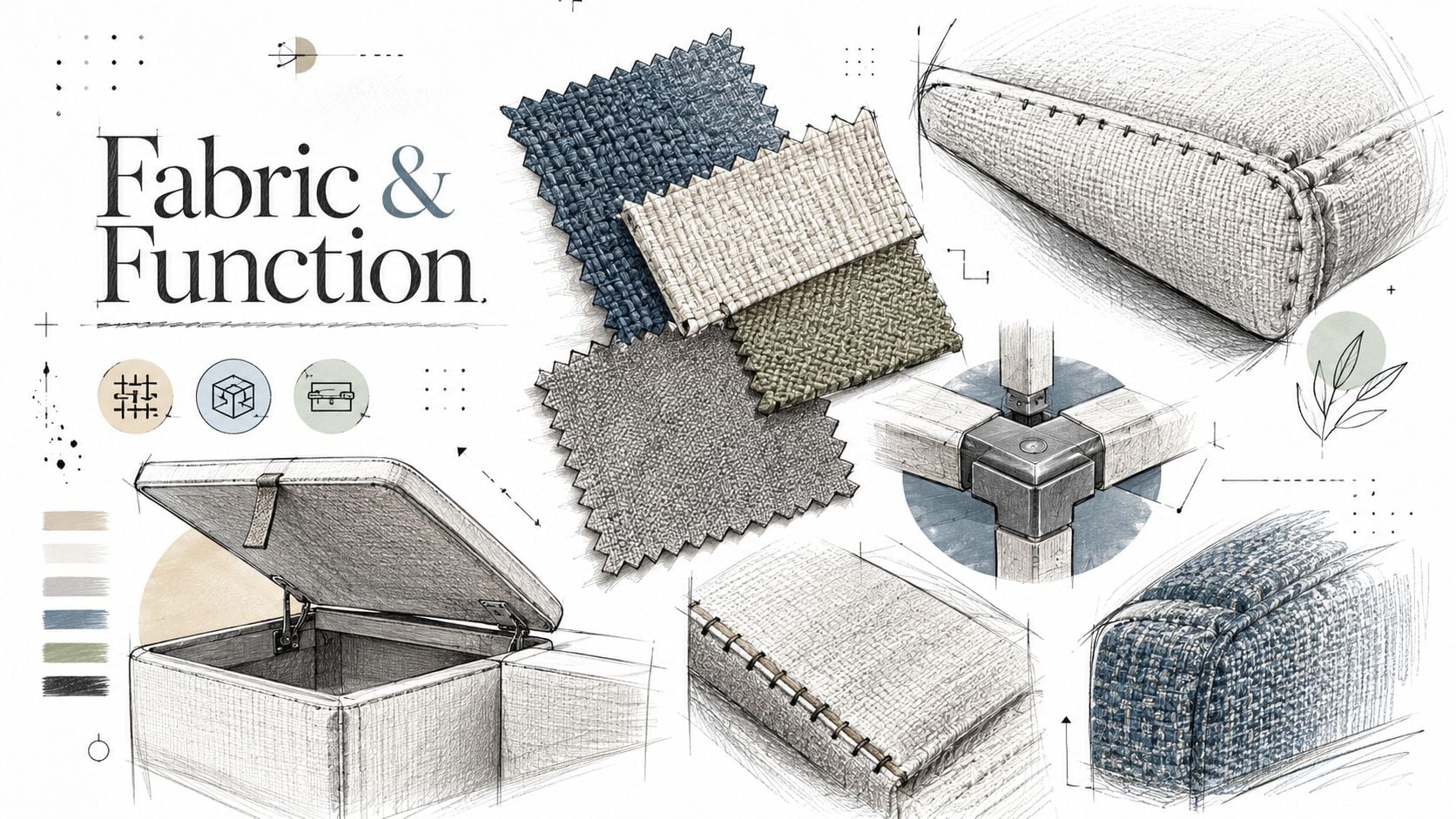
A sectional in a smaller home tends to work harder. It handles movie nights, naps, reading, snack spills, and sometimes even work-from-home hours. That's why material choices matter as much as measurements.
Fabric should match daily life
For many households, an easy-care upholstery fabric is the safest pick. In a compact apartment, the living room sees constant use, so the sectional can't be treated like a formal piece that nobody touches.
Pet owners often need to think one step further. Texture, weave, and how easily fur clings all affect long-term satisfaction. A helpful outside resource on that specific issue is this ultimate guide to pet hair fabric, which gives practical questions to ask before choosing upholstery.
Construction still matters in a small room
A smaller sectional isn't a temporary purchase by default. It still needs a solid frame, supportive cushions, and upholstery that can handle repetition. If the frame shifts, the seat sags, or the cushions break down too fast, the room starts to feel worn even if the rest of the home looks polished.
Shoppers comparing upholstery types can use this guide to upholstery materials to sort through texture, feel, and maintenance differences more clearly.
The best fabric isn't the one that looks perfect on day one. It's the one a household still likes after months of ordinary use.
Features worth paying for
Some extras are marketing. Some are useful in a small home.
These features tend to add real value:
- Storage in the chaise helps reduce clutter from blankets, games, or extra pillows.
- Reversible cushions can make wear look more even over time.
- Removable back cushions can help with delivery and cleaning.
- Modular pieces give the room more flexibility if the layout changes later.
When space is limited, every feature should earn its keep. A sectional doesn't need every upgrade. It needs the right ones for the way the room is used.
Styling Your Sectional in a Lafayette Home
Once the sectional is in place, the room still needs balance. A good layout can make a compact living room feel open, usable, and finished. A poor layout can make even a correctly sized sectional feel too large.
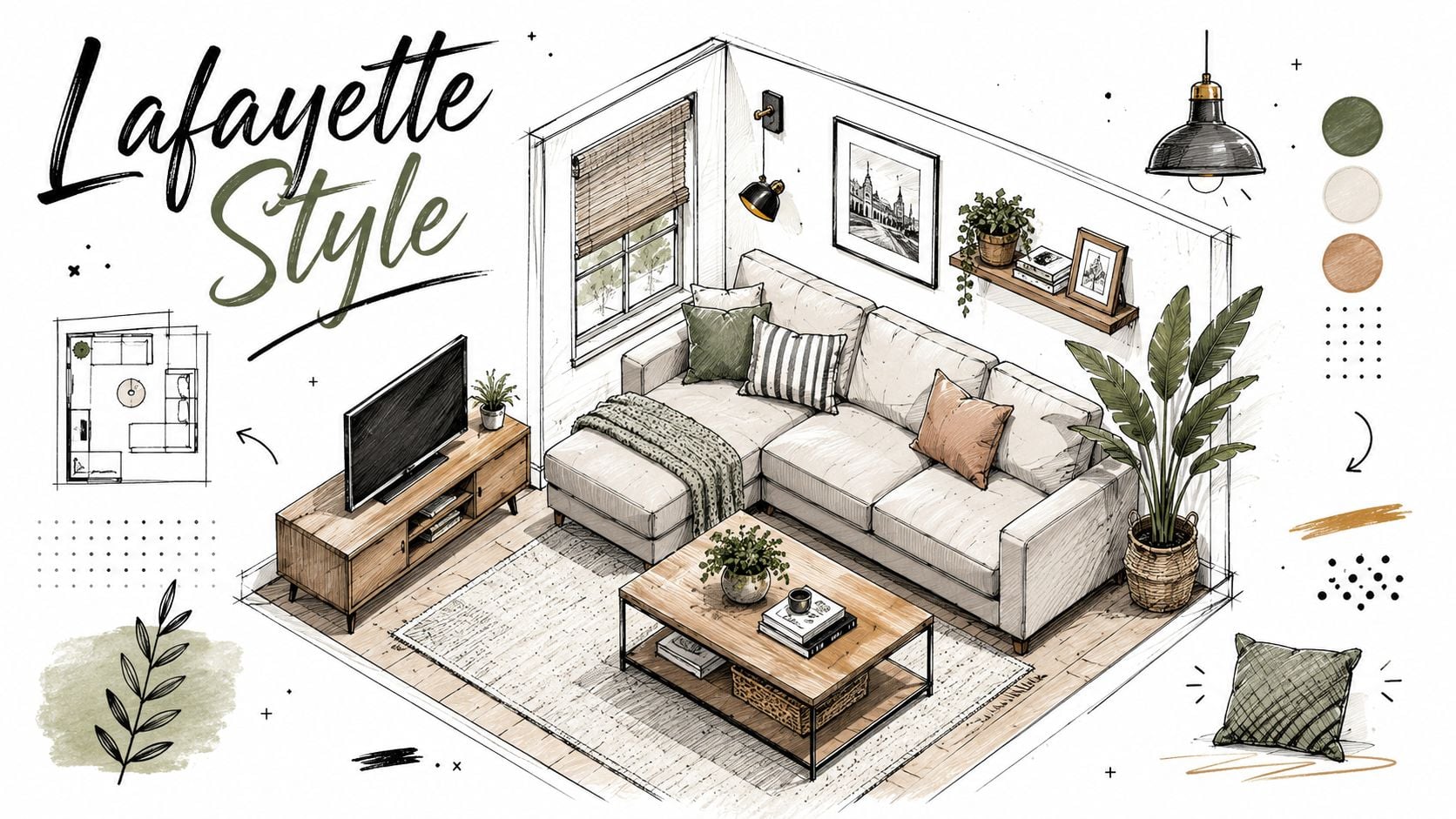
The corner layout
Many small homes in Lafayette do best with the sectional placed into a corner. This clears the center of the room and protects walking space. It also makes the seating area feel settled right away.
A corner layout works especially well when the room is mostly dedicated to living room use. A round coffee table or smaller nesting tables can soften the angles and improve movement around the sectional.
The floating layout
Some rooms feel better when the sectional sits slightly away from the wall. This approach can help define separate zones, such as a TV area on one side and a reading or home office nook behind it.
That layout takes more care, but it can make an open-plan apartment feel more structured. Readers looking for extra decorating ideas may find this outside resource on how to style a living room useful for thinking through accessories, balance, and finishing touches.
A sectional doesn't always belong against the wall. In some rooms, pulling it forward makes the space work better.
Finishing the room without crowding it
The supporting pieces matter. A sectional already has visual presence, so the rest of the room should stay disciplined.
A few smart moves help:
- Use a rug to define the seating area so the sectional feels intentional, not oversized.
- Choose lighter-scale tables that don't fight the sectional for attention.
- Limit the number of accent pieces so the room stays breathable.
- Shop clearance selectively for one or two finishing items instead of filling every empty corner.
For shoppers who want examples of placement options, these sectional sofa layout ideas can help visualize what works in different room shapes.
Why Lucas Furniture is Lafayette's Choice
For Lafayette households, furniture shopping isn't only about style. It's about value, flexibility, and whether the store can help solve real problems like room size, financing, delivery, and timing.
Why Choose Lucas Furniture Our Value Proposition
Lucas Furniture & Mattress is a locally owned retailer serving Lafayette from its Kokomo showroom. That local connection matters because shoppers often need practical help, not a one-size-fits-all pitch.
The store serves customers furnishing more than just one room. Along with sectionals, shoppers can look for living room furniture, dining sets, bedroom pieces, home office furniture, mattress options, and seasonal outdoor furniture.
Furnish Every Room and Save Big
Value is a major reason many households shop locally. Lucas Furniture & Mattress promotes a Low Price Promise and offers outlet and clearance savings of up to 70% off, which can matter when a sectional purchase is part of a larger home update.
That's helpful for shoppers who also need items like:
- Bedroom pieces for a full move or room refresh
- Dining furniture for apartments and starter homes
- Home office furniture for hybrid work setups
- Outdoor furniture for patios and decks in warmer months
Achieve Better Sleep Your Mattress Options
Mattress shopping often happens alongside living room shopping, especially after a move. Lucas Furniture & Mattress also carries mattress options for different comfort preferences and budgets, along with a mattress guide to help narrow the choice.
For households trying to furnish the whole home thoughtfully, that makes the trip more productive. One visit can cover seating, bedroom needs, and sleep essentials.
Customize Your Comfort Simple Financing and Custom Orders
Small spaces often need more precise furniture choices. Custom order options can help when a shopper wants a certain fabric, finish, or sectional configuration that fits the room more cleanly.
Simple financing matters too. It gives households flexibility when they're buying a sectional, mattress, bedroom set, or multiple rooms at once.
Shop Your Way and Get It Delivered to Lafayette
Furniture shopping works best when it fits real schedules. Some shoppers want to browse online after work. Others want to sit on the sectional, compare cushions, and talk through room measurements in person.
Lucas Furniture & Mattress serves both styles. Shoppers in Lafayette can browse from home, then visit the Kokomo showroom for a closer look at materials, comfort, and scale. For readers comparing styles ahead of time, this collection of affordable sectional sofas is one place to start.
A simple path from browsing to setup
The process is straightforward:
- Browse online to narrow down shapes, colors, and price range.
- Visit the Kokomo showroom to compare comfort and proportions in person.
- Ask about custom order choices if a standard configuration isn't the right fit.
- Use simple financing if the purchase needs more flexibility.
- Schedule in-home delivery to Lafayette so the sectional arrives where it needs to go.
For many households, delivery is the part that removes the most stress. A sectional is not a casual carry-in purchase, especially in an apartment or tighter entryway. Reliable in-home delivery to the Lafayette area helps complete the process with less guesswork.
For anyone looking for the best sectional for small spaces from a trusted local source, Lucas Furniture & Mattress offers online shopping, a Kokomo showroom serving Lafayette, custom order options, simple financing, clearance savings, mattress choices, and in-home delivery to the Lafayette area. Visit the showroom near Lafayette today, or browse the full inventory online with guaranteed in-home delivery to the Lafayette area.