Experience our new Lafayette showroom — Now Open! Come Visit Us -->

Choose the Best Wood for Dining Table: Lafayette Guide 2026


A family in Lafayette often starts the search for the best wood for dining table the same way. Someone notices new scratches after homework hour, a finish turns cloudy after a drink sits too long, or the old table no longer fits the room. For shoppers looking for a Lafayette furniture store or a furniture store near Lafayette IN, the questions usually sound simple, but the right answer depends on how the table will be used every day.
For homes across Lafayette and Central Indiana, the main showroom that serves the area is in Kokomo, and dependable in-home delivery makes it practical to shop beyond the neighborhood. That matters because a dining table isn't just another piece of furniture. It shares space with the living room sectional, the guest room mattress, the home office, and sometimes even seasonal outdoor furniture plans. A smart choice should work with the whole home, not just look good for one weekend.
The good news is that wood selection gets much easier once a shopper stops asking only “Which wood is hardest?” and starts asking “Which wood, finish, and maintenance level fit this household best?”
Table of Contents
- Finding the Perfect Dining Table for Your Lafayette Home
- A Detailed Comparison of Popular Dining Table Woods
- Beyond Hardness Why the Finish Can Matter More
- Why Lafayette Chooses Lucas Furniture for Quality and Value
- Furnish Your Home Your Way with Custom Orders and Simple Financing
- Shop In-Store Near Lafayette or Online with In-Home Delivery
Finding the Perfect Dining Table for Your Lafayette Home
For many households, the dining table has to handle much more than dinner. It may catch backpacks after school, serve as a work surface during the week, and host holiday meals when relatives come through Lafayette. That's why the best wood for dining table shopping starts with real life, not just color samples.

A shopper comparing options at a furniture store near Lafayette IN usually faces three broad categories. Hardwood is the traditional choice for durability and long-term value. Softwood tends to cost less, but it usually shows dents and scratches sooner. Engineered wood can offer a lower entry price and more style variety, though it doesn't always age like solid hardwood.
According to this guide on durable dining table woods, hardwoods such as oak, maple, and walnut are known for their high density and durability, making them ideal for dining tables subjected to heavy daily activity. These woods exhibit significantly lower susceptibility to scratches and dents compared to softwoods like pine, making them the top choice for homeowners prioritizing long-term value.
How to sort wood choices quickly
A practical way to narrow the field is to match the material to the household.
- Busy family homes: Hardwoods usually make the most sense because they stand up better to repeated use.
- Budget-first rooms: Softer woods or mixed-material tables may help stretch the furnishing budget.
- Style-led spaces: Grain pattern, color, and finish may matter just as much as raw hardness.
Practical rule: A dining table should be chosen for the messiest normal day, not the cleanest special occasion.
Many buyers also get stuck on size before they settle on wood. That's a smart instinct. A beautiful table that crowds the room won't feel right for long. Using a dining table size guide helps narrow the shape and footprint first, which then makes the wood decision easier.
The three material groups in plain language
Here's the simplest way to think about them.
Hardwoods such as oak, maple, and walnut are dense, sturdy, and usually better at handling years of family use.
Softwoods like pine often bring a relaxed look and lower upfront cost, but they mark up more easily.
Engineered options can work well for some homes, especially when appearance and budget matter most, but buyers should inspect finish quality closely.
That foundation matters because a table isn't judged only by how it looks on day one. It's judged after spilled drinks, sliding plates, pet traffic, and months of ordinary use in a Central Indiana home.
A Detailed Comparison of Popular Dining Table Woods
A side by side comparison helps, but it only works if the details are complete. Wood species set the starting point. Daily performance still depends on how that wood is built, finished, and used in a real home.
Dining Table Wood Comparison
| Wood Type | Janka Hardness (Higher is Harder) | Average Cost | Best For |
|---|---|---|---|
| Oak | 1360 | Moderate to premium | Busy families who want durability and grain that helps disguise light wear |
| Maple | 1450 | Moderate to premium | High-traffic dining spaces and heavy daily use |
| Walnut | 1010 | Premium | Homes that want rich color and an elevated look |
| Cherry | 950 | Premium | Formal or traditional rooms where graceful aging matters |
| Pine | 380 to 870 | Budget to moderate | Casual spaces where character marks are acceptable |
| Acacia | 1700 to 2300 | Moderate | Households wanting bold grain and practical value |
Oak and maple are usually the first two woods shoppers compare, and for good reason. Both are dependable choices for Central Indiana homes. If you are also trying to coordinate a table with nearby cabinetry or warm natural finishes, this look at white oak for kitchen remodels gives helpful visual context.
For a fuller explanation of grain, hardness, and long-term wear, our guide to choosing the right hardwood for longevity and style is a useful companion.
Oak
Oak is a steady, reliable choice. In a furniture store, it is often the wood we point families toward first because it balances strength, price, and a look that works in many homes.
Its open, visible grain does something practical too. Small scratches and everyday use marks usually blend in better than they do on smoother woods. That matters in dining rooms where plates slide, kids do homework, and guests pull chairs in and out without much ceremony.
Oak usually fits homes that want:
- Solid durability
- A warm, familiar look
- Flexibility across stain colors and styles
White oak and red oak vary a bit in appearance and moisture resistance, but both are proven dining table woods.
Maple
Maple is the workbench type of hardwood. It tends to look cleaner and quieter than oak, with less dramatic grain, which is why many buyers like it in transitional, modern, or simple spaces.
Hard maple is one of the harder domestic choices commonly used in furniture. That extra density can help with dents from daily use. It is a smart fit for households where the table does more than host dinner. School projects, puzzles, laptop work, and quick breakfasts all add wear in small ways.
Maple often suits:
- Families focused on day to day toughness
- Buyers who prefer a smoother, less busy grain pattern
- Homes where the dining table doubles as a work surface
A quick caution helps here. Maple can still disappoint if the finish is thin or poorly applied. That is why smart shoppers compare both the wood and the topcoat, not the species alone.
Walnut
Walnut is usually chosen with the eyes first. It has a richer brown tone and a more formal, furniture-like presence than oak or maple, so it often becomes the visual anchor of the room.
It is softer than oak and maple on the Janka scale, which surprises many shoppers. That does not make it a poor choice. It means walnut buyers are often trading some dent resistance for color, depth, and character.
Walnut works especially well in:
- Design-focused dining rooms
- Open-concept spaces where the table stays in view
- Homes with darker wood tones or a more tailored style
If you love walnut, the smarter question is not just “Is it hard enough?” Ask how the top is finished and how easy that finish will be to maintain.
Cherry
Cherry has a calm, refined look that feels at home in traditional interiors and older homes, but it also works beautifully in rooms that need warmth without heavy grain. Its color deepens over time, which many owners love.
That aging pattern is part of its appeal. Cherry often looks better after years of use because it develops a richer tone. For some shoppers, that is more meaningful than starting with the hardest possible species.
Cherry is often a strong match for rooms with warm lighting, classic details, and a quieter style.
Pine
Pine brings a relaxed, lived-in personality. It is common in farmhouse, cottage, and casual dining spaces where a few marks are not treated like a disaster.
Because pine is softer, dents and scratches show up sooner. Some households dislike that. Others see it the same way they see worn leather or old floorboards. The surface tells the story of the home.
Pine is often best for:
- Lower-traffic dining rooms
- Homes that welcome visible character
- Shoppers trying to keep cost under control
A well-finished pine table can still serve a family well. It just needs expectations that match the material.
Acacia
Acacia attracts shoppers who want drama in the grain without stepping straight into the highest price range. It often has striking variation, deeper movement, and a more one-of-a-kind look than plainer hardwoods.
One point confuses buyers here. “Acacia” is often sold as a broad category, and hardness can vary by species. Construction quality varies too. That means two acacia tables can look similar on the sales floor but perform differently at home.
Check the tabletop closely. A solid build, a smooth protective finish, and clear care instructions matter just as much as the species name.
A good dining table choice works like choosing tires for your car. The material matters, but the surface that meets daily life matters too. That is why the best value is not always the hardest wood on the tag. It is the wood and finish combination that holds up well in the way your family lives.
Beyond Hardness Why the Finish Can Matter More
Many dining table guides stop at hardness. That's helpful, but it leaves out one of the biggest reasons tables disappoint owners later.
Why hardness alone can mislead shoppers
A harder wood doesn't automatically mean a better-performing table. Surface protection changes daily performance in a big way, especially when the household deals with water glasses, quick wipe-downs, kids' crafts, or hot serving dishes that briefly sit in the wrong place.
A [Forest Products Laboratory finding summarized here in the verified data set] showed that a 2024 study found properly finished maple tables with UV-cured coatings resist water rings and scratches 3x better than uncoated white oak, even though oak is intrinsically harder. That's a valuable reminder: finish quality can change the actual outcome more than many shoppers expect.
For homeowners who want a broader look at refinishing and surface choices in cabinetry and woodwork, this South Jersey cabinet finishing guide offers useful visual examples of how finish decisions affect appearance and upkeep.
Questions worth asking before buying
A buyer comparing two tables should ask more than “What species is this?”
- What finish protects the top surface
- How should spills be cleaned
- Will the finish hide small wear marks or highlight them
- Is the table meant for active family use or occasional dining
Those questions often separate a smart long-term purchase from a frustrating one.
A care plan matters too. The right habits help a finish last longer and keep the wood beneath it looking better. Shoppers who want practical maintenance tips can use this guide on how to care for wood furniture.
The table top is what the household touches every day. That's why the finish deserves as much attention as the wood itself.
For Lafayette households, this changes the way value should be measured. A less flashy wood with a durable finish may serve the home better than a harder wood with weak surface protection.
Why Lafayette Chooses Lucas Furniture for Quality and Value
A Lafayette family may walk into a store expecting to compare wood species, then realize the better question is simpler. Who will help us judge the whole table correctly. Wood matters, but so do finish quality, construction, scale, delivery, and how the piece will live in a real Central Indiana home.
What value looks like in practice
Good value usually starts with comparison. Seeing several dining tables in one place makes it easier to notice the details that photos often flatten, such as sheen level, board pattern, edge profile, and how a finish reacts under overhead light. That matters because two tables can use respectable wood and still perform very differently once daily meals, homework, and spills enter the picture.
A local showroom also helps shoppers compare beyond the dining room. Many households want the new table to make sense with nearby bedroom furniture, a home office setup, living room pieces, or even seasonal outdoor furniture. Matching wood tones is a little like choosing paint chips. A color that looks fine by itself can feel off once it sits beside everything else.
Value includes flexibility, too. One shopper may need a dining set now, a sectional later, and a mattress after that. Having custom order choices, simple financing, and clearance options in one place gives families room to buy in a way that fits both their home and their budget.
Why a showroom visit still helps
Online research is useful, but a dining table is a touch-and-see purchase. Finish smoothness, top thickness, chair comfort, and base stability are easier to judge in person. If a table will handle heavy family use, that hands-on check matters even more.
Hard Maple is a good example. As noted earlier, it is widely respected as a tough domestic wood for busy homes. But toughness on paper is only part of the story. A well-finished table in a slightly less hard species can hold up better in daily life than a harder wood with weaker surface protection. That is the kind of difference shoppers can often spot faster in a showroom than on a product page.
An established local retailer also gives buyers a better chance to ask specific questions. What finish is on the top. How should spills be cleaned. Will small marks blend in or stand out. How long will delivery take. Will the size feel right once chairs are pulled out.
Those answers shape long-term satisfaction.
For shoppers who want a clearer picture of what local service includes, the Lucas Furniture store advantage page explains how the buying experience is designed to be straightforward, informed, and practical.
Furnish Your Home Your Way with Custom Orders and Simple Financing
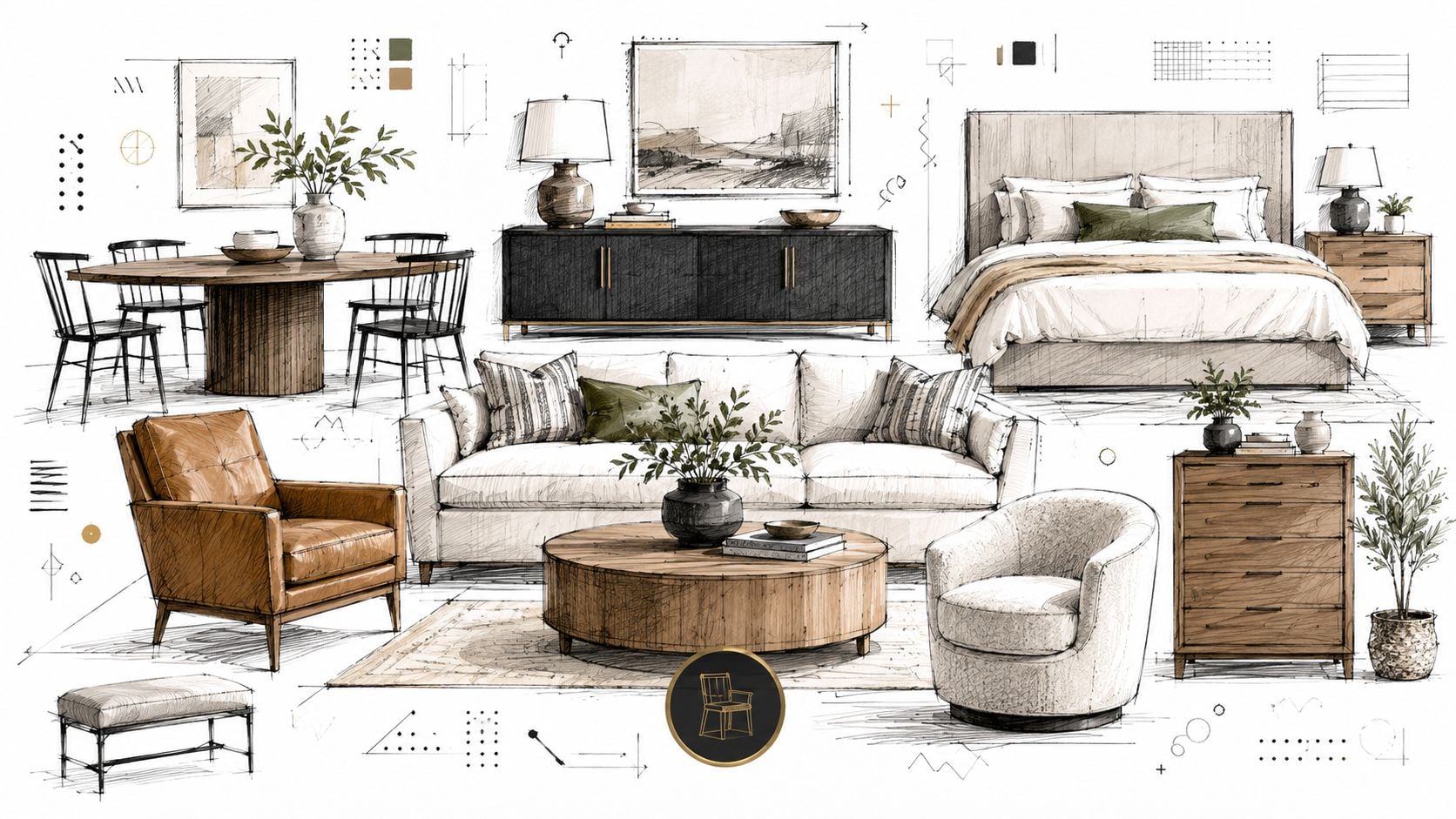
A dining table rarely lives in isolation. It has to make sense beside the living room seating, nearby case goods, bedroom pieces, and sometimes a home office setup visible from the same open floor plan.
Matching one purchase to the whole home
That's where broader furniture planning helps. A buyer may start with the best wood for dining table research, then realize the bigger goal is a more coordinated home. The dining set may need to relate to a neutral sectional, a warmer bedroom suite, or a new media console without everything looking overly matched.
Shoppers often appreciate three kinds of flexibility:
- Custom order choices: fabric, finish, or configuration options that better fit the room
- Simple financing: a way to spread purchases over time instead of forcing every room to be completed at once
- Clearance opportunities: a path to practical savings when style and timing line up
For many homes, that mix is more realistic than trying to buy everything in one exact finish and one exact week.
Balancing budget style and long-term use
Sustainability can add another layer to the decision. Some shoppers are drawn to reclaimed wood because they expect it to perform the same as newly sourced hardwood. But the tradeoffs deserve a closer look. According to the verified data provided for this article, 62% of consumers believe reclaimed wood is as durable as new hardwood, yet testing shows reclaimed wood can have 40% higher delamination rates and 2.5x more surface cracking under thermal stress. That's an important reminder that “eco-friendly” and “best for heavy daily dining use” don't always mean the same thing.
That doesn't make reclaimed wood a bad choice. It means the buyer should match the material to the household's tolerance for maintenance, visible change, and long-term wear.
A practical furnishing plan often looks like this:
- Start with the room that gets used most.
- Choose the piece that must work hardest.
- Use financing and custom order options to build around it over time.
- Watch clearance inventory for secondary rooms, accent pieces, and even outdoor furniture.
Shop In-Store Near Lafayette or Online with In-Home Delivery
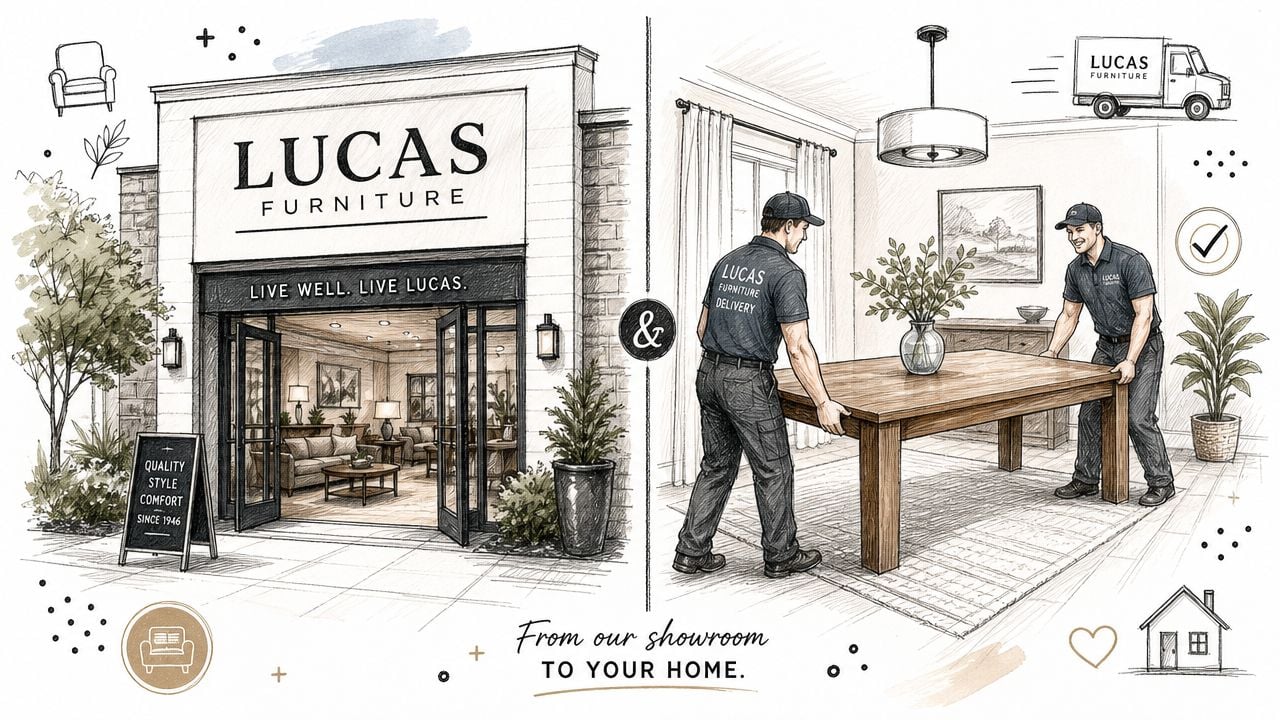
Some shoppers want to sit at the table, touch the finish, and compare wood tones under showroom lighting. Others would rather browse after work from the couch and narrow the options before making a trip. Both approaches work well for households in Lafayette.
How local shoppers can narrow the options
A simple process keeps furniture shopping from turning into guesswork.
- Begin with the room size: know the rough table dimensions before falling in love with a style.
- Decide how the table will be used: daily meals, occasional hosting, homework, or all of the above.
- Compare wood and finish together: surface protection matters as much as the species.
- Choose how to shop: in-store at the Kokomo showroom or online from home.
- Confirm delivery details: reliable service matters, especially for heavier dining pieces.
For homes in Lafayette, dependable in-home delivery options take much of the stress out of buying larger items.
Where mattresses delivery and convenience fit in
Many households don't shop for only one category at a time. A dining table search often overlaps with a new mattress, a living room sectional, a bedroom refresh, or a home office update. Shopping with that bigger picture in mind can save repeat trips and help the home feel more cohesive.
Mattress shopping especially benefits from a guided approach. Comfort preferences differ, budgets differ, and support needs differ. That's why a dedicated mattress center and a mattress guide matter to the same family that's also comparing table woods. The most efficient shopping trip is often the one that solves more than one room at once.
Online browsing adds flexibility, while an in-person visit adds confidence. For many Central Indiana households, the strongest combination is simple: browse first, visit when needed, then schedule delivery to Lafayette once the right pieces are chosen.
Visit Lucas Furniture & Mattress to explore dining tables, mattresses, sectionals, custom order options, clearance savings, and simple financing from a locally owned team serving Lafayette from the Kokomo showroom. Browse online or stop in near Lafayette today, with reliable in-home delivery available throughout the Lafayette area.